Switzerland’s decision to recall Granit Xhaka restores the team’s captain before next month’s matches against Slovenia and Scotland. The Swiss Football Association says Xhaka and striker Breel Embolo are eligible to return after missing four international fixtures in September and October. Their absence had left the federation balancing the players’ conduct against the sporting cost of keeping them out. Now it’s concluded that the missed matches count as part of the consequence, and that the pair can rejoin the squad.
Return follows suspended fine
Xhaka’s place in the squad had been uncertain since he admitted obtaining a COVID-19 vaccination certificate instead of resolving his concerns through official channels. In an Instagram post, he said distrust of the vaccine and fear had shaped his decision. He called it a mistake, apologized and said he was cooperating with the investigation. That account explains his stated motivation, but it doesn’t erase the choice he acknowledged making or the questions it raised about his judgment as a senior player.
At the beginning of this month, Xhaka received a suspended fine of 150,000 Swiss francs. The doctor involved in the case, who wasn’t named, had separately insisted that everything had been above board. Those are distinct pieces of information: the fine was imposed on Xhaka, while the doctor’s position was reported separately. The source doesn’t provide further detail about the terms of the suspension or the doctor’s role, so the significance of those points shouldn’t be stretched beyond what’s known.
A suspended fine carries a different practical weight from an immediate payment, but the article gives no terms that would explain how it applies in this case. What is clear is that the federation treated the legal proceedings and the missed matches as relevant to its decision. That distinction matters. A return to the squad settles the immediate selection question; it doesn’t mean the episode has become uncontroversial, or that every supporter will see the sporting penalty as sufficient.
Swiss FA explains its decision
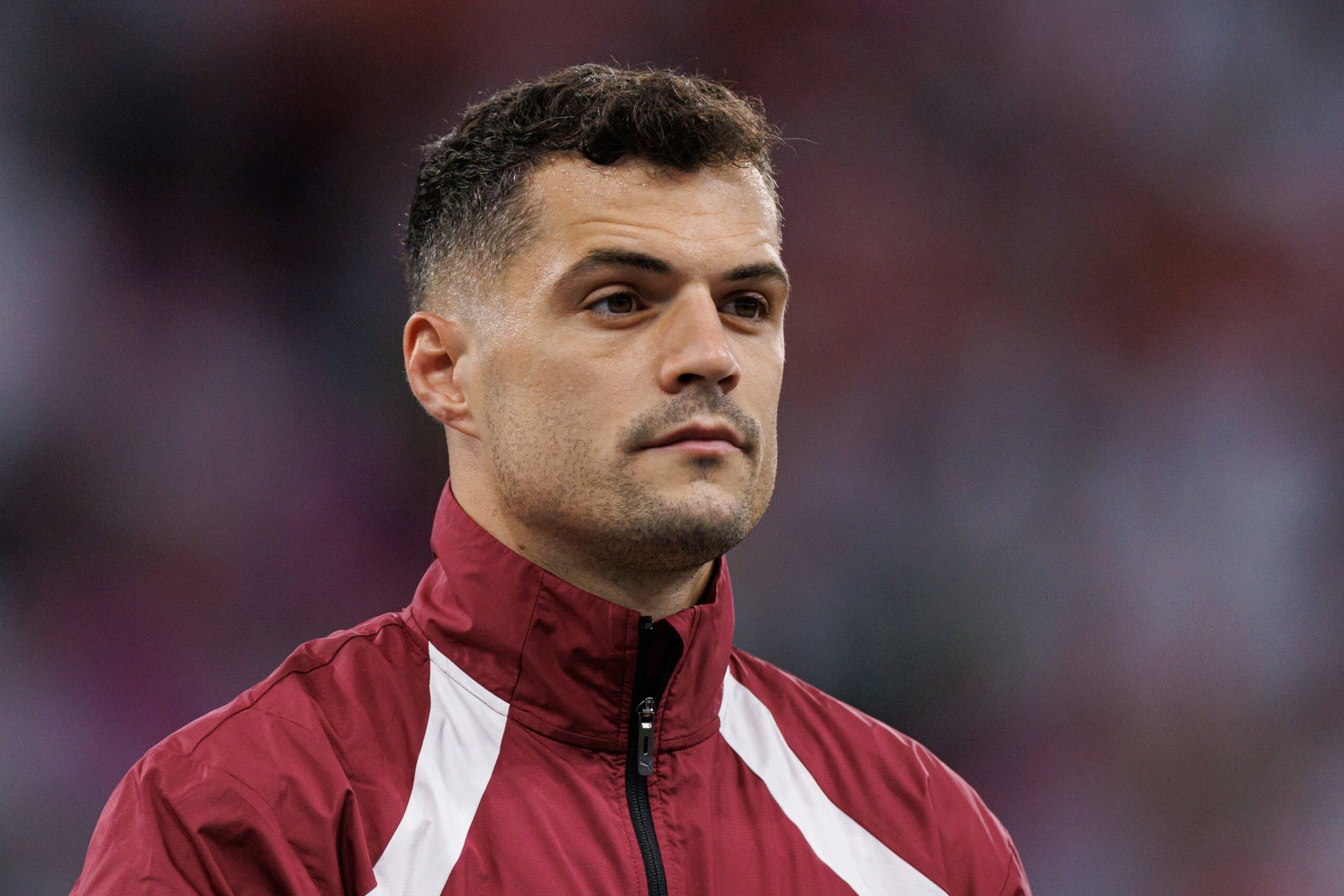
The SFA said it had reviewed both players’ cases and judged their return justifiable after the legal proceedings concluded, while accounting for the sporting consequences they’d already faced. Its statement pointed to the four matches missed in September and October. That gives the decision a stated basis: the association considered the process complete and the time away from international football part of the response. It doesn’t, by itself, tell us how the federation weighed each factor or whether the players’ cases were identical in every relevant respect.
The wording also puts the decision in the federation’s hands. The association isn’t presenting the recall as an automatic result of the proceedings; it says it reviewed the cases and made a judgment. That’s a meaningful distinction for a national team, where selection decisions can carry symbolic weight as well as consequences for the lineup. A return can be defensible on the federation’s stated grounds and still invite debate about whether four missed fixtures were enough.
Xhaka will also remain Switzerland captain. The association said the decision was unanimous among head coach Murat Yakin and the technical staff, following consultation with the players’ council. Keeping the armband makes the recall more consequential than a straightforward return to the squad: the federation is restoring not only a player, but also his formal leadership role. It’s a clear vote of confidence in his place within the team, even as the circumstances behind his absence remain part of the story.
The recall makes the federation’s position clear: Xhaka’s absence has served as the sporting consequence it considered in its review. That’s a defensible reading of the announcement, although the source doesn’t describe any separate internal measures or explain what the association expects from Xhaka beyond his return. The statement’s emphasis is on the four fixtures missed and the conclusion of the legal proceedings. On those facts, the federation is drawing a line under the selection issue.
What the decision means for the team
For Switzerland, the practical question now is how Xhaka and Embolo fit back into the squad for the Slovenia and Scotland matches. Their return gives the coaching staff more selection options, while Xhaka’s captaincy restores the team’s established leadership arrangement. The source doesn’t say whether either player will start, how much they’ll play or what role they’ll have in the matches. Those decisions remain with the coach.
This is more significant than it looks. The federation has chosen to treat the time away as a sufficient sporting consequence and to retain Xhaka as captain, rather than merely allowing him back into consideration. That choice tells players and supporters how the association has weighed the case, but it doesn’t guarantee that everyone will agree with its judgment. If you’re following the team, the key test will be whether the federation’s stated reasoning holds up in the way it handles the return.
There’s also a broader lesson in the way the association has explained itself. When a player’s conduct becomes an issue beyond the pitch, a team’s response can’t be assessed only by the fixtures missed; the clarity of the decision and the consistency of its reasoning matter too. (And this is the part most people overlook.) The announcement provides a rationale, but leaves some details open, including how the sporting consequences were weighed against the completed proceedings.
For now, the immediate uncertainty is over. Xhaka is back in the squad and remains captain, while Embolo is also eligible to return. The federation has made its call. The scrutiny of that call will follow them into the next matches.
The post Sunderland star to return in international break as FA defend decision appeared first on Sport Witness.