José Mourinho’s early progress at Real Madrid may depend less on a tactical blueprint than on whether his biggest players accept their roles within it. He has the support of senior figures including Vinícius Júnior, Fede Valverde and Thibaut Courtois. The Clásico will show whether that trust can hold as he makes tougher demands of Jude Bellingham and Kylian Mbappé.

The Daily Merengue is a place where you can feel free to discuss all things football. Do not be alarmed by the overt RMCF bias. It’s in the name! Shoutout to the mods who do a fantastic job, Ezek, Valyrian Steel, Felipejack, Juninho, NeRObutBlanco and yours truly, Kung_Fu_Zizou

Mourinho’s authority faces its next test
At Madrid, a manager’s ideas have to survive contact with an ambitious dressing room. Getting captains and influential players onside gives Mourinho room to set standards and make decisions without every change becoming a contest over authority. That support matters most when results are less comfortable, or when a star dislikes the role he has been given.
So far, Vinícius and Valverde have followed Mourinho’s lead, while Courtois has not emerged as a source of friction. Their backing gives the coach a foundation. It doesn’t settle the harder question: can he build a team around players with very different strengths while asking each to accept limits on individual freedom?
The Clásico is a useful early measure. The starting lineup will draw attention, but Mourinho’s choices during the match may say just as much. Substitutions, tactical adjustments and the players’ responses will reveal whether his authority extends beyond the initial goodwill.
Diomande’s opportunity calls for patience
Yan Diomande | Patience is KING

Yan Diomande arrives at the Camp Nou with an opportunity to show what he can do on a bigger stage. His confidence is striking for a young player, and he has handled the demands of the Bernabéu with growing assurance. That makes the attention around his price understandable, but it shouldn’t become the only measure of his progress. The more telling signs are his talent, self-belief and ability to settle into the white shirt.
For Diomande, the next step is to build on that start without being hurried into proving everything at once. A high-profile match can sharpen a young player’s reputation quickly; consistency over time will show more about the player Madrid have signed.
Valverde’s versatility has a cost
Fede Valverde | Becoming A Captain?
Valverde’s value comes from his ability to fill several needs: he can play in midfield or at right-back, cover for a teammate, make a supporting run or do the less visible work that frees another player. He doesn’t need to dominate possession or have the match built around him to shape it.
That willingness to put the team first is part of why he looks increasingly like a captain. But flexibility can become a trap if it encourages a manager to keep moving a player away from the position where he has the greatest effect. Valverde’s recent use at right-back has brought him more involvement than he has had in some midfield appearances, according to the figures cited in the post above. The question is how to make that contribution count without treating his versatility as an unlimited resource.
Whether he starts as a fullback or farther forward, Madrid need to keep him on the right side of the game. His adaptability gives Mourinho options; it shouldn’t erase the need to choose the role that best serves the team.
Bellingham needs structure that leaves room to attack
Jude Bellingham | Finding the balance

Bellingham’s influence comes from doing several jobs well. He can connect midfield to attack, arrive in the box and use his physicality to unsettle opponents. A narrow job description would curb those strengths. Yet leaving his responsibilities undefined risks crowding the same spaces his teammates need.
Mourinho’s challenge is to give Bellingham clearer reference points without making him predictable. That could mean defining where his freedom begins and ends: when to move forward, where to position himself and how his runs fit around the players beside him. The goal isn’t simply to ask him to do less. It’s to make his movement easier for the rest of the side to read.
That balance will be especially visible against Barcelona. Bellingham needs the discipline to respect a team structure, but Madrid also need the instinct and spontaneity that make him dangerous. Mourinho’s job is to make those qualities work together.
Mbappé’s threat has to fit the team
Kylian Mbappé | The Bona Fide Superstar
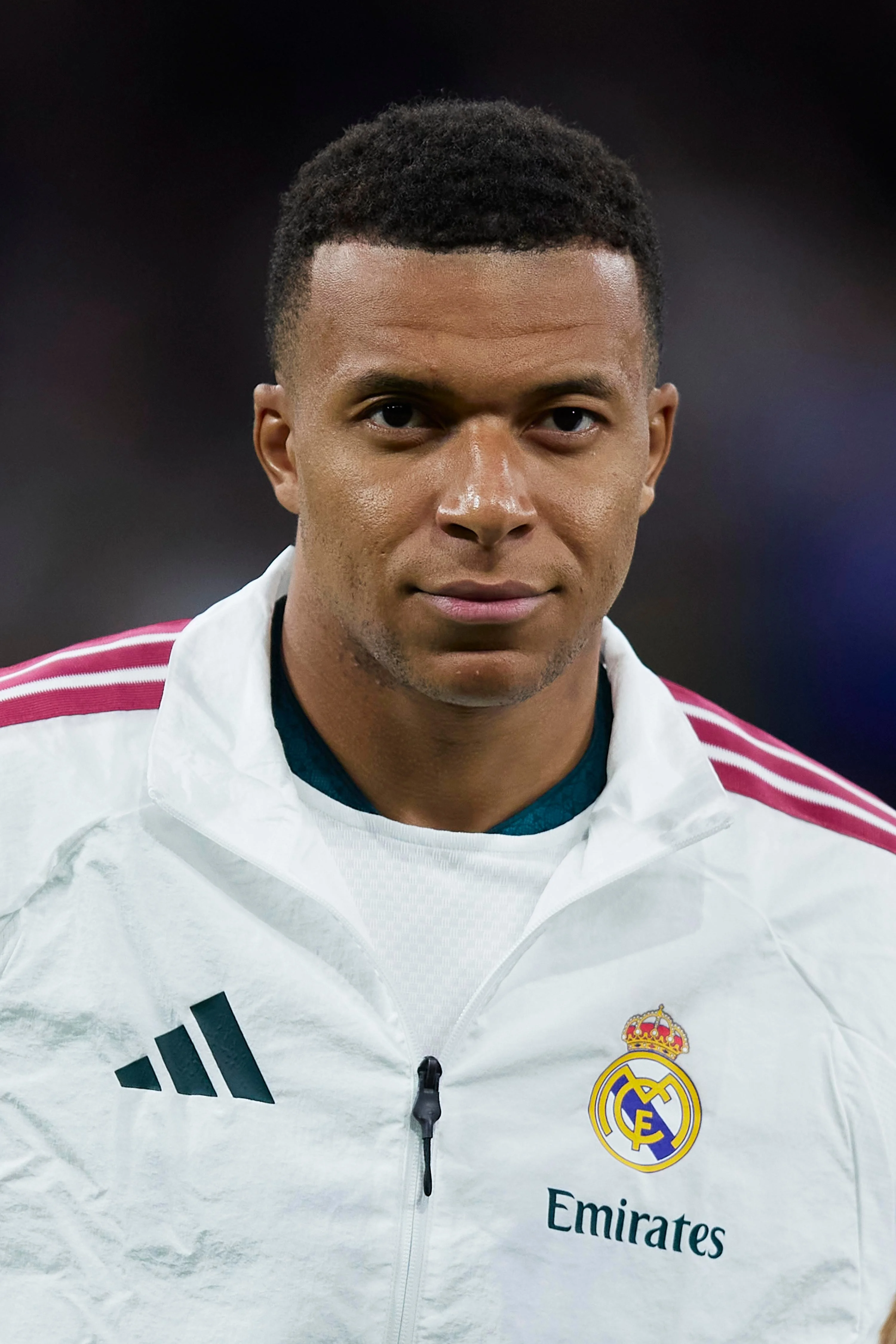
Mbappé presents the clearest test of individual quality against collective responsibility. Madrid want him where his pace, movement and finishing can hurt opponents. Put him too far from those dangerous areas too often, and the team risks dulling its most direct threat.
But his positioning also has to account for the movement of his teammates, and his work without the ball matters to the shape around him. A manager can’t let the biggest name in the squad dictate every decision. The more persuasive task is to show how a shared structure can create better opportunities for him.
The record shown in the post above—12 goals in nine games against Barcelona, including eight in Barcelona—underscores why Madrid want Mbappé in positions where he can decide a match. Mourinho’s experience with high-profile players may help, but authority alone won’t solve the tactical problem. Mbappé has to see how the team’s structure serves his strengths, while Mourinho retains the freedom to make decisions for the side as a whole.
If the two can make that arrangement work, Madrid can preserve Mbappé’s capacity to change a game while asking him to contribute to a broader plan. The Clásico offers an early opportunity to see how close they are.
The Clásico will show whether trust holds
The Clásico | Authority is earned again

This first Clásico of what could be three meetings this season puts Mourinho’s early relationships under pressure. Better performances and results make players more receptive to a coach’s demands, but trust is tested most clearly when a regular starter loses his place, a star is substituted or someone is asked to play a role he doesn’t prefer. Vinícius has responded graciously to being taken off frequently by Mourinho; other decisions will bring their own tests.
Madrid don’t need to suppress individual ambition. Their best players’ ability to produce moments of brilliance is central to the team. The challenge is to make that brilliance serve a shared plan, and to keep players’ confidence while holding them to it.
That’s what makes Mourinho’s management of the dressing room as significant as his formation choices. The Clásico won’t resolve every question, but it can show whether his authority is translating into coordinated movement, disciplined roles and players who accept decisions when the match turns against them. The strongest early signal may come not from who starts, but from how the group responds when Mourinho changes the plan.
