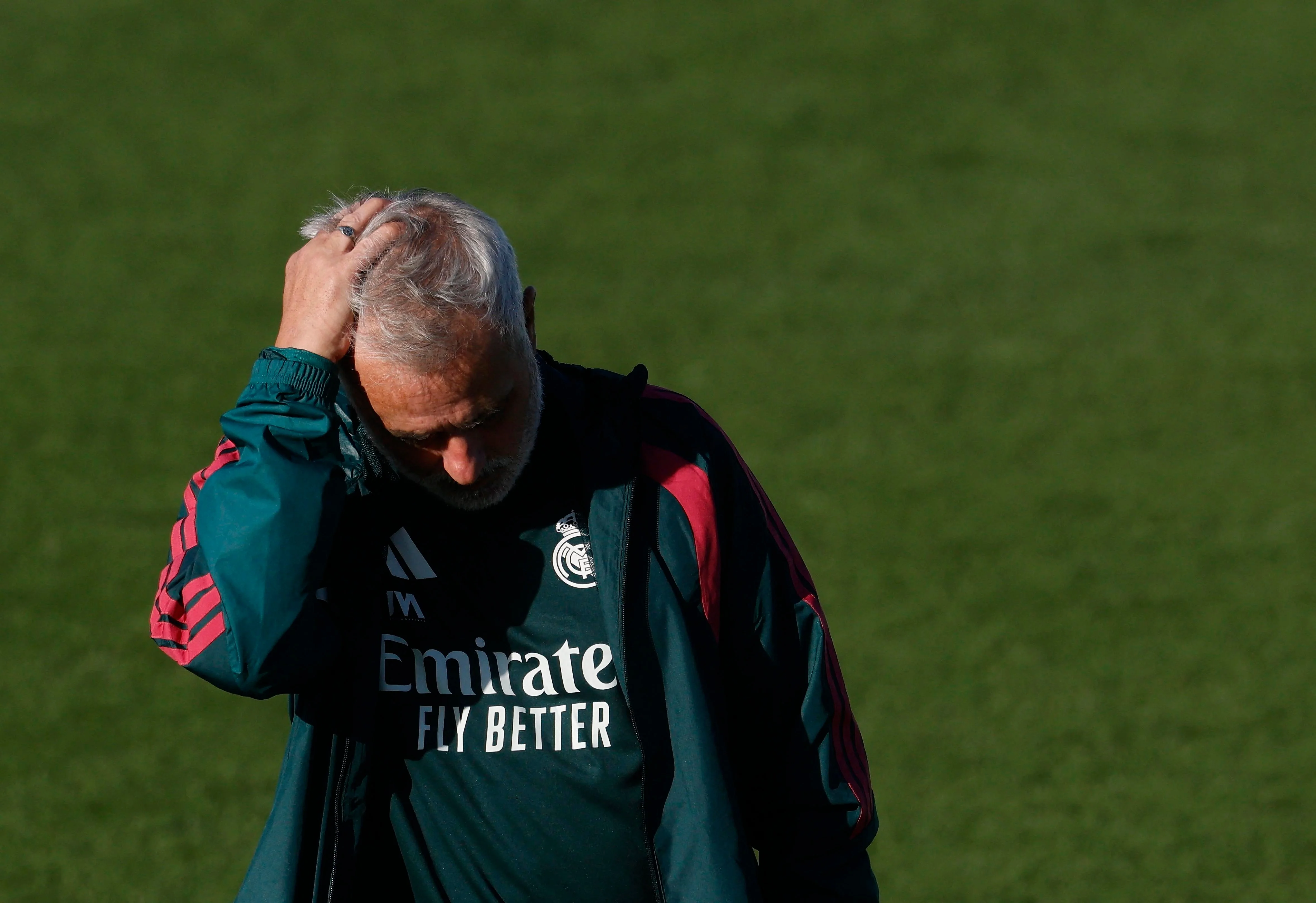
Real Madrid have found a more coherent shape just as the season reaches its most demanding stretch. José Mourinho’s side has scored 12 goals across three matches, with Fede Valverde at right-back and Arda Güler directing play from midfield. The Clásico against Barcelona now asks whether those adjustments can stand up to elite opposition, with a nine-point league gap making the result unusually consequential.
The Daily Merengue is a place where you can feel free to discuss all things football. Do not be alarmed by the overt RMCF bias. It’s in the name! Shoutout to the mods who do a fantastic job, Ezek, Valyrian Steel, Felipejack, Juninho, NeRObutBlanco and yours truly, Kung_Fu_Zizou
The shape behind the recent surge
Madrid’s improved performances against Sevilla and Leipzig followed a revealing stretch of tactical trial and error. Mourinho has leaned into more patient possession, clearer positional rotations and a setup that gives his technical players room to influence attacks. Those home wins were emphatic, but the more useful clues came from the changes that preceded them.
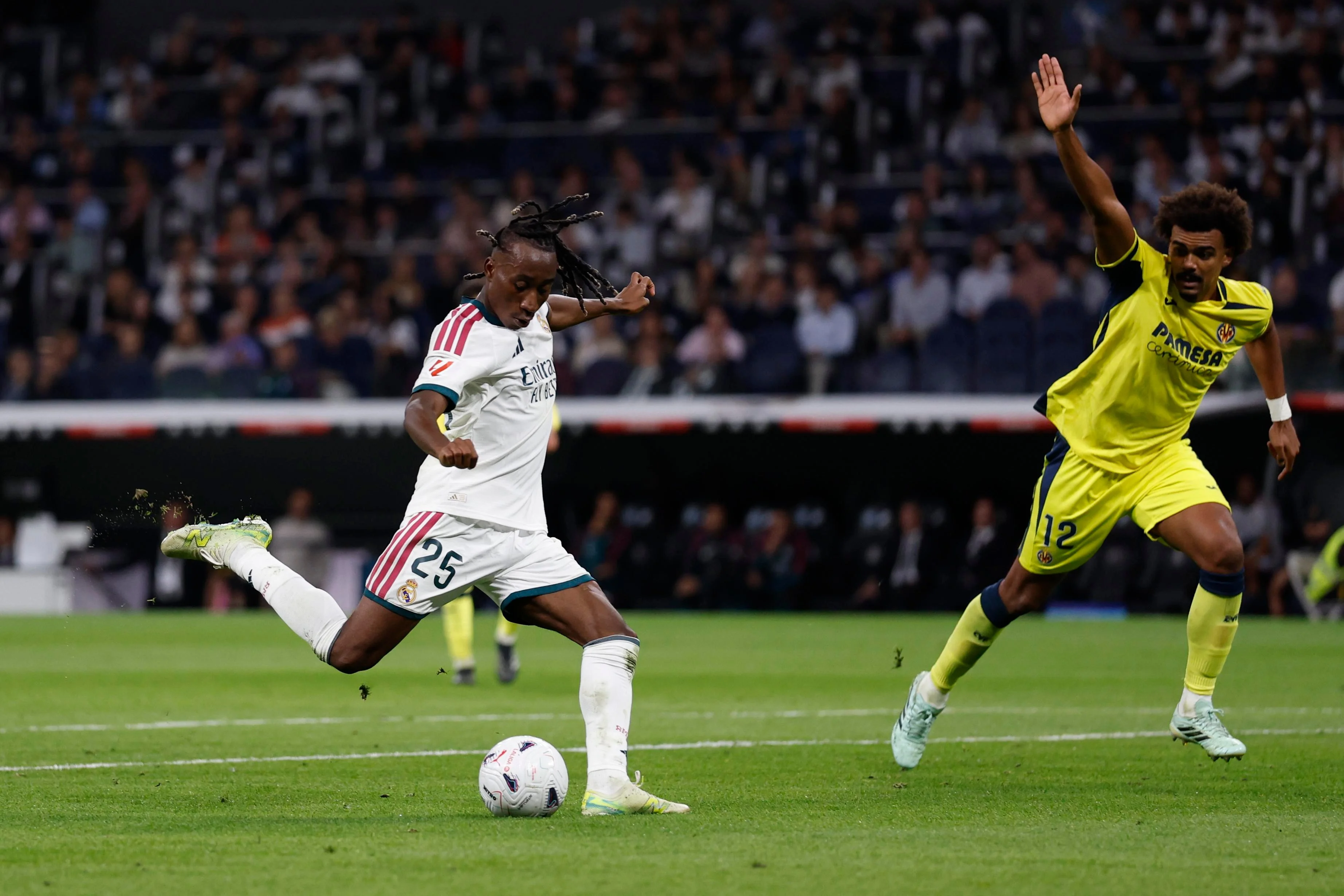
Against Villarreal, Valverde moved from midfield to right-back. The match turned after Vinicius entered, though the late events proved more consequential: Yan Diomande scored the winner, Vinicius had a goal ruled out and then received a straight red card that brought a four-match La Liga ban. Arda Güler shifted into midfield, and Valverde’s move helped give Madrid a more balanced structure. They held on for a 1-0 win with ten men.
That result offered a possible route forward, but Roma exposed the limits of the alternative. Mourinho started Vinicius and paired Tchouameni with Valverde in midfield. The combination struggled to control the game, and Roma built a 3-1 lead. The response was dramatic: Arda, Espí, Endrick, Carreras and Bernardo Silva came on, and Madrid turned the match around for a 4-3 win.
The contrast gave Mourinho a clearer picture of his personnel. Valverde and Tchouameni have not looked like a convincing midfield pairing. Tchouameni can cover at centre-back, but the team doesn’t appear to need him there, while Valverde’s range makes him useful across the pitch. At right-back, he brings energy and balance; in midfield, Arda has shown that he can progress the ball and create chances. Diomande, meanwhile, has made a case for a regular role on the left.
Mourinho acted on those signals against Sevilla. Valverde started at right-back, Arda joined Tchouameni in midfield, and Diomande played on the left wing. Dean Huijsen and Endrick also started. Huijsen’s ability to carry the ball from centre-back added another way through pressure, while Endrick offered a forward who would press the attack wherever he lined up. Madrid won 4-1, with Arda and Valverde prominent in their adapted roles.

Leipzig brought another variation. Bernardo Silva started alongside Camavinga, while Arda and Valverde worked on the right. Arda’s freedom to drift into midfield supported Madrid’s progression and chance creation; Bernardo sometimes moved higher, functioning almost as a second striker. The result was another 4-1 victory. Three matches, 12 goals, and a run of selection decisions that looks more deliberate than improvised.
The Clásico is a test of temperament
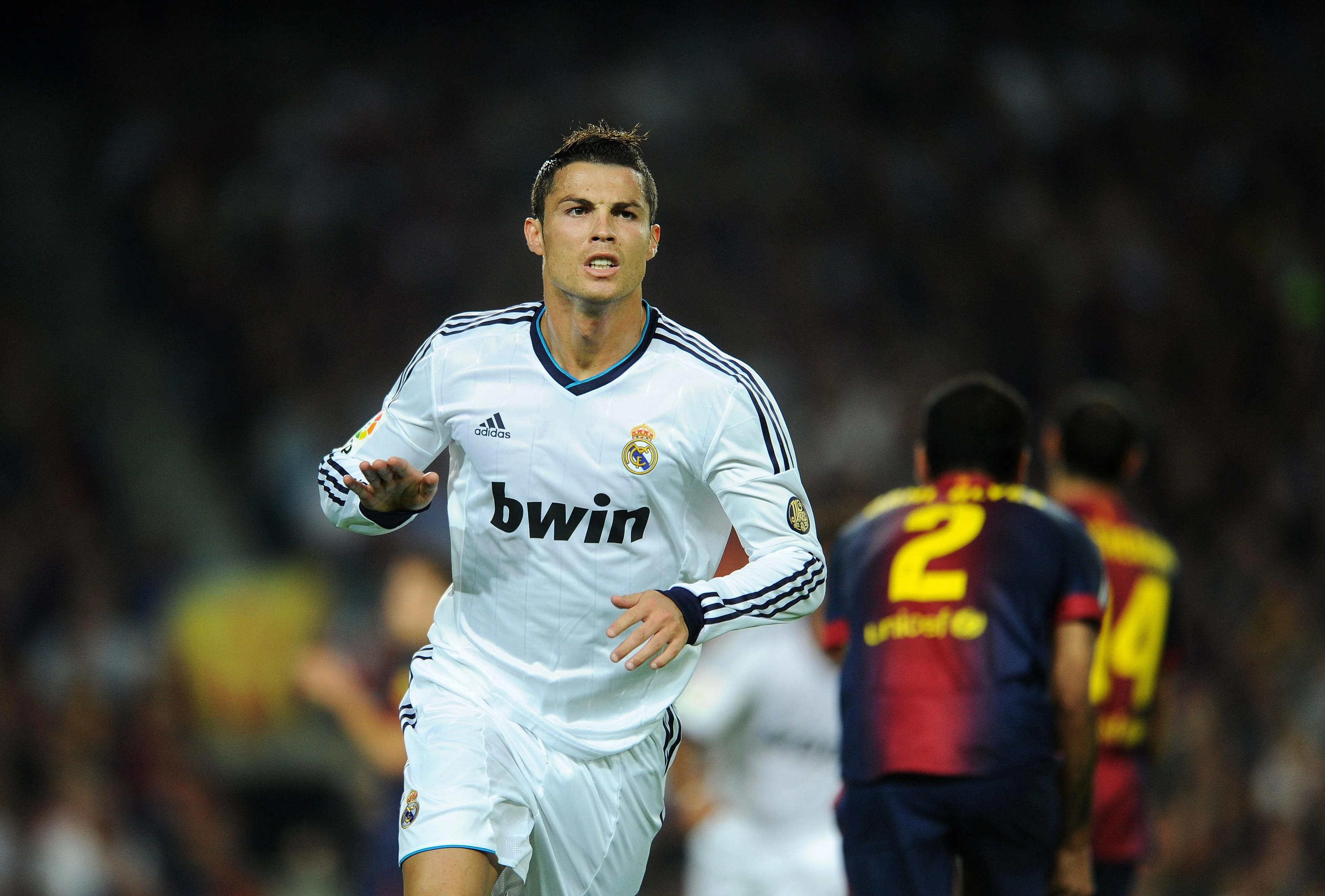
For all the tactical progress, the question looming over Madrid is whether they can bring the same clarity to a match against a leading rival. Mourinho has made his reputation in high-pressure games, and his squad has plenty of talent. The harder task is turning that talent into a convincing performance when opponents arrive intent on taking control.
There’s a personality challenge as well. Mourinho’s dressing room contains strong characters, and his recent choices suggest he is trying to channel that intensity into the work on the pitch. Vinicius has been removed from the starting lineup at times, including before his suspension, and Mourinho has substituted him regularly in earlier matches. The ban gives the player and his camp an immediate explanation for his absence, but Diomande’s performances indicate that Mourinho had another left-wing option in mind.
Those decisions matter because they show a manager willing to adjust the hierarchy of his attack. Valverde’s move to right-back is another significant call, one that has improved the balance of the side in recent games. Whether either change holds against Barcelona will tell us more than a run of comfortable results can.
Arsenal, Bayern Munich and Atlético Madrid also come to mind when measuring Madrid’s performances against top opposition. The Clásico sits at the centre of that test, both for its quality and its consequences. Madrid need to show that their current structure can carry into the biggest fixtures, not just produce a strong response after falling behind in Rome.
A narrow margin in the league

The standings leave little room for a poor result. Barcelona, the two-time defending La Liga champions, are nine points ahead and scoring freely. Madrid sit third, behind Atlético, who have held the bragging rights in the local rivalry for a second season. A defeat would widen the gap and leave Madrid needing near-perfect results through January while hoping their rivals drop points. A draw could limit the damage; a win would give the recent revival a far more substantial meaning.
Mourinho’s response to the expectations around the match is measured. He said that people who expected Madrid to be soundly beaten a week earlier may still expect the same, and that praise for Barcelona doesn’t affect him. The result will matter, but this game can also serve as a sharp assessment of where the team is now.
The Clásico may arrive before Madrid are ready to match Barcelona over 90 minutes. The same will be true of the coming Champions League meeting with Arsenal. Those fixtures offer demanding measures of the team’s current level, while the larger question of its trajectory will take longer to answer. Silverware is decided later in the season; Madrid still have time to turn these adjustments into a dependable identity.
Keep perspective, whatever the result
A comprehensive defeat would leave the club with difficult questions about its league ambitions and realistic targets. It shouldn’t, by itself, erase the work of a manager who appears to be steadying the dressing room and winning the senior players’ support. Madrid have shown signs of improvement, but the project remains unfinished. Judging the entire season on one match before the halfway point would be a hasty response, particularly with three trophies still in play.
That doesn’t make the Clásico unimportant. It is a high-stakes opportunity to test the team’s tactical changes and temperament in the same match. A win would strengthen the case that Mourinho has found a more effective balance; a draw would preserve some breathing room; a loss would make the league chase steeper. Whatever happens, the clearest takeaway will be how Madrid respond to the level Barcelona demand.
